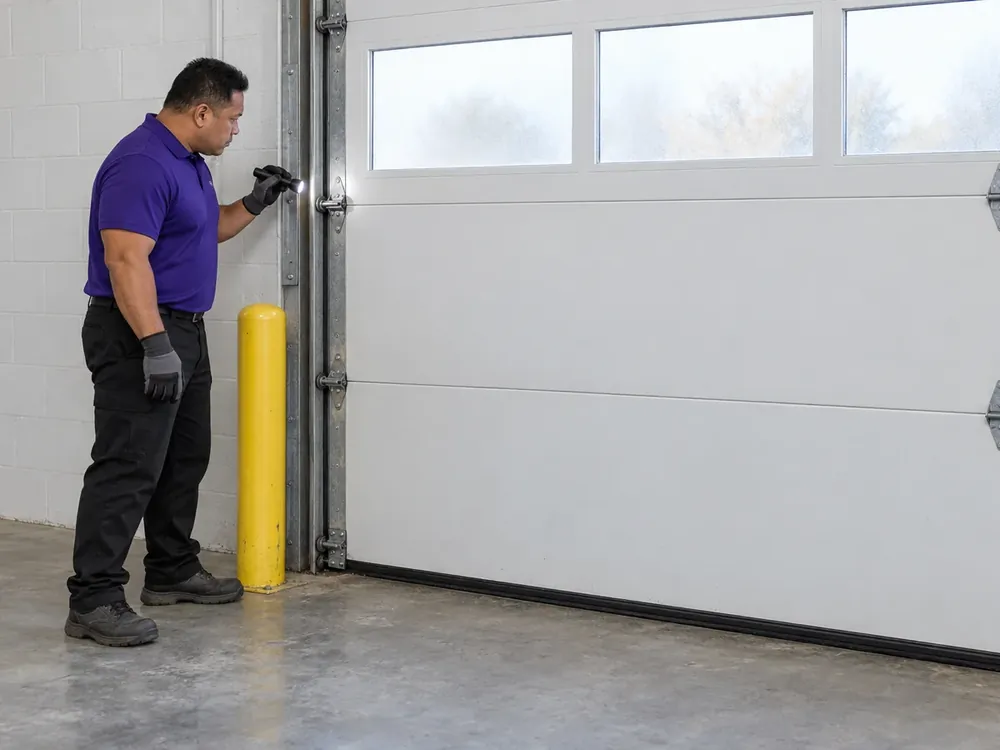
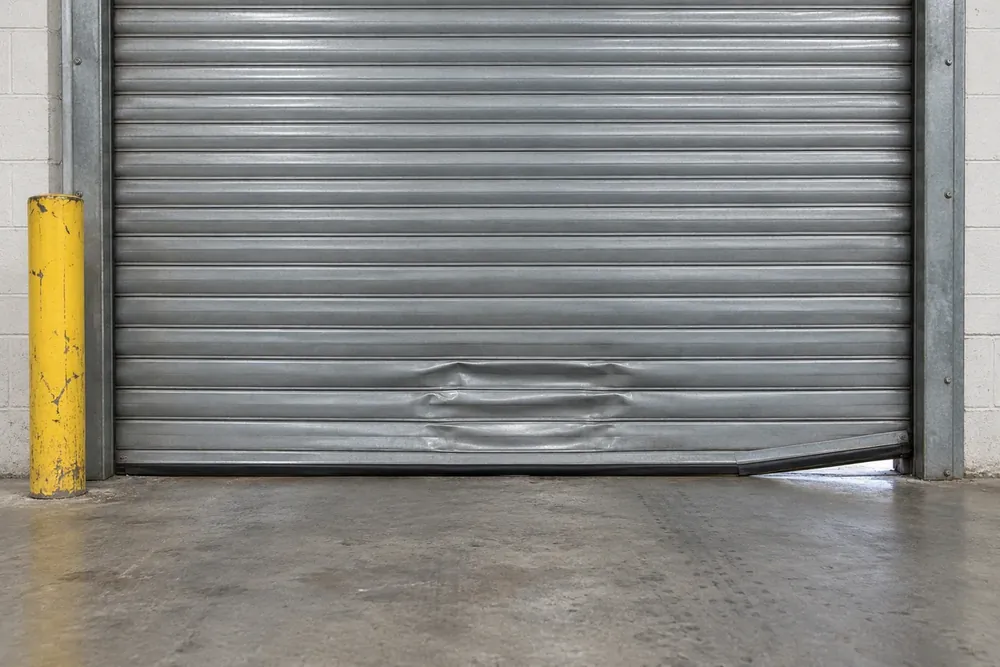
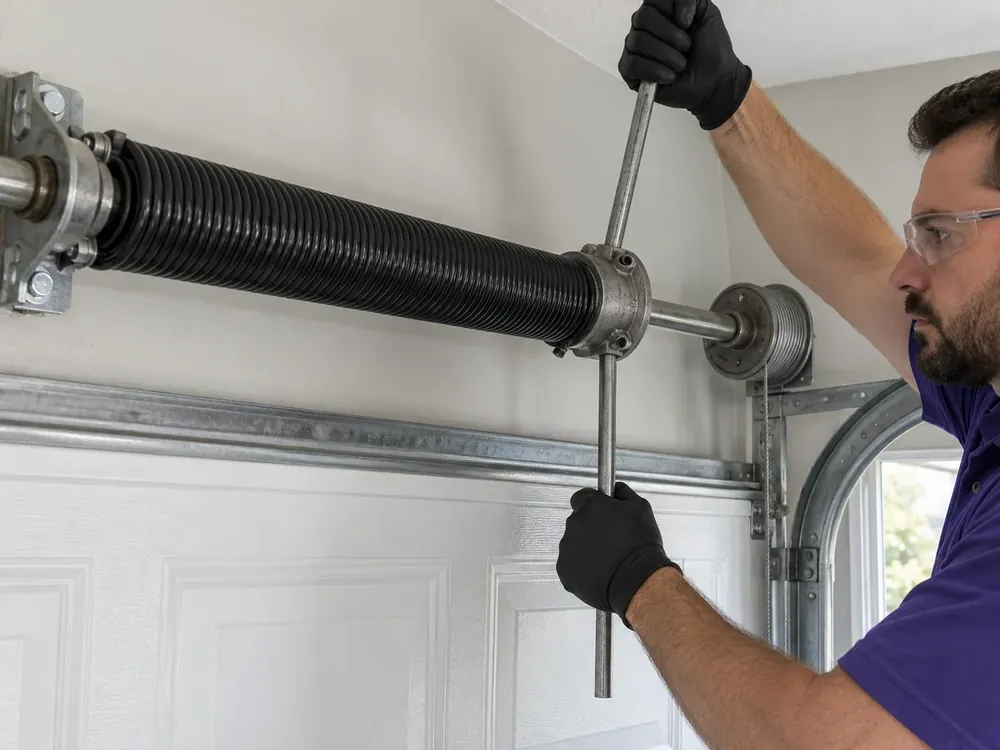
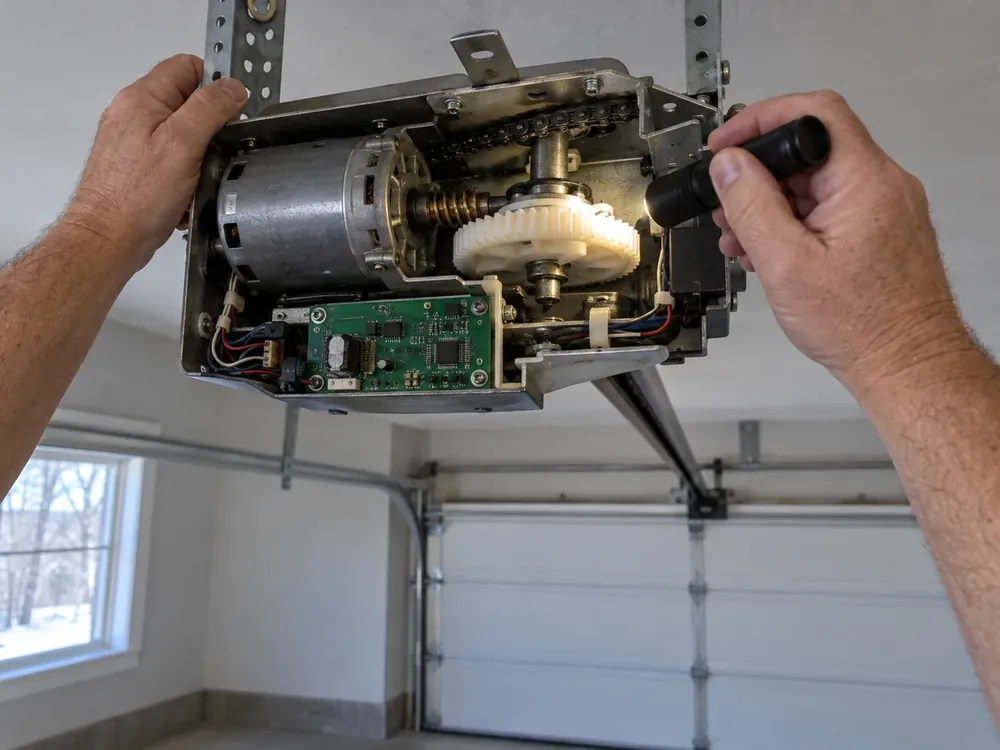
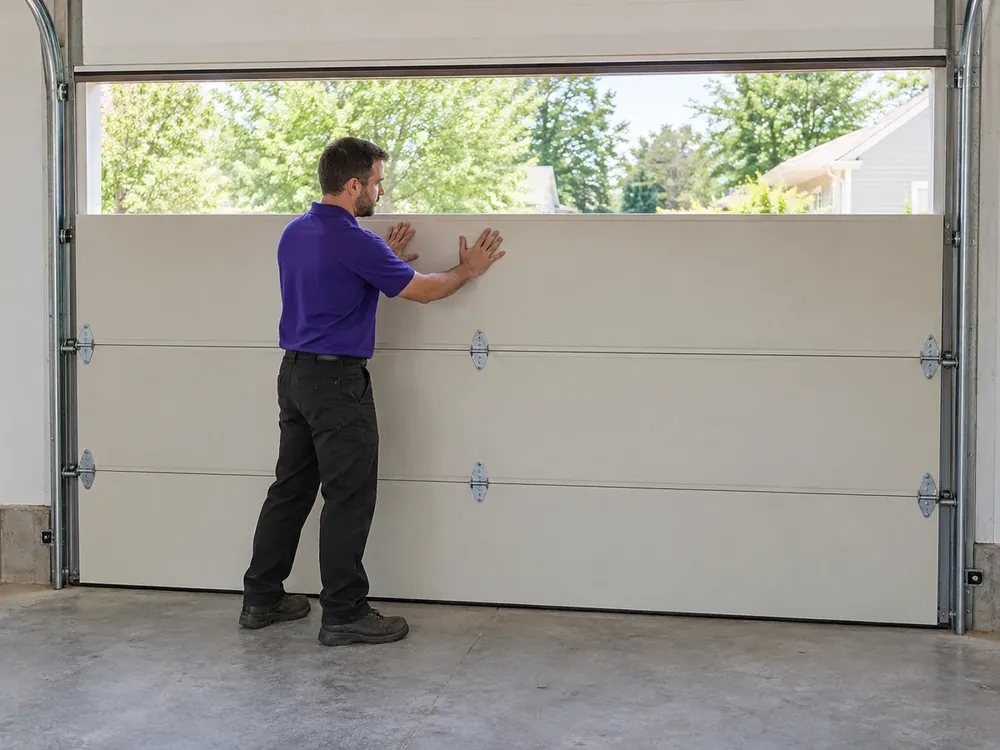
Our local garage door professionals repair springs above commercial doors, lift cables beside the tracks, and bent rolling steel slats in Chicopee. Call about the part stopping deliveries or leaving the building open, and a local garage door professional takes it from there.
Calls answered 24/7
Overhead, rolling and dock door repairs
Serving Chicopee and nearby
Overhead and dock doors
Commercial Doors in Chicopee Business Buildings
Warehouses and storage: Rollers inside dock door tracks can wear with repeated opening, while bent rolling steel slats can catch in the guides beside the opening.
Restaurants and bars: Steel slats on a rear rolling door can buckle after an impact, leaving the manager unable to close the delivery entrance.
Retail stores and plazas: The motor beside a stockroom door can hum without lifting it, interrupting deliveries and leaving the opening unusable.
Apartment buildings and property managers: Lift cables along a shared parking garage door can fray, making the bottom edge hang unevenly across the residents' entrance.
Offices and medical offices: Photo eyes beside a vehicle entrance detect obstructions, and dirty lenses or poor alignment can keep the door from closing.
Schools, churches, hotels and motels: Springs on the bar above a sectional service door can break, leaving the door too heavy for normal operation.
Auto repair shops and service bays: Hinges between overhead door sections can bend after vehicle contact, making the panels bind as the door travels.
Commercial Door Parts That Stop Work
Springs and lift cables: High-cycle torsion springs on the bar above the door are designed for repeated opening; cables wrap around grooved wheels called drums at the bar's ends. A spring break or snapped cable can leave a dock door heavy or hanging down on one side.
Rollers and tracks: Rollers travel inside steel tracks beside the opening and overhead. A knocked-out roller or bent track can leave a sectional door crooked and stop the next delivery.
Sections and slats: Wide horizontal sections form an overhead door; narrow interlocking slats form a rolling steel door. A forklift or truck strike can bend either type and make the door catch.
Dock seals and bumpers: Seals surround the loading opening, while bumpers cushion truck contact at the dock face. Torn seals leave gaps, and damaged bumpers need inspection with the dock door.
Operator and safety devices: The operator is the motor that moves the door, usually beside the opening or overhead. Photo eyes detect obstructions across the opening, and a sensing strip called a safety edge detects contact along the bottom; faults can interrupt closing.
Bottom bar and lock: The bar along a rolling door's bottom can bend upward and prevent the lock from engaging. Your technician checks the slats, side guides and locking parts to identify why the business cannot secure the entrance.
Door Repair Options and Building Security
Springs, sections and slats determine whether repair or replacement restores a secure opening.
Option
When it fits
What it involves
Repair now
A failed spring, cable, roller or operator is the cause, and the remaining door is sound.
Your technician replaces or repairs the affected parts and tests door movement and safety devices.
Temporary secure
Bent slats or damaged sections prevent closing while replacement parts or a new door are being arranged.
Your technician closes and locks the door where safe, or makes the opening secure until the permanent work.
Replace the damaged section or slats
Damage is limited, and matching parts fit the existing door.
The damaged sections or slats are replaced; connected hinges, guides and lifting parts are inspected.
Replace the door
Multiple sections, the curtain of linked slats, or supporting hardware have extensive damage.
Commercial garage door installation includes a door and hardware suited to the opening and the business's use.
Your technician decides on site which option fits the door's condition and the building's security needs.
The Commercial Door Call and Repair
Call and describe the building, the door and the failure: a slack cable, bent slats or a motor that only hums. Share what you can see without approaching the damaged door.
Describe the affected entrance, delivery access and the building's security needs.
Your technician inspects springs, cables, tracks, sections or slats, and the operator. They identify the cause and explain the proposed work and its price before starting.
Your technician completes the work, checks door balance where applicable, and tests the safety reversing devices. Keep the repair notes and receipts in the building's files.
Door Repair Records for Managers and Owners
Spring, cable and operator records show an owner or manager what changed at each door.
Photos: Keep pictures of the damaged part and finished door, labeled with the building and entrance so similar doors do not get mixed up.
Written scope and technician's notes: Your technician's repair notes identify the cause and the springs, cables, rollers, sections, slats or operator parts replaced during the job.
Receipts: File the job receipt with the door's repair notes.
Door log: Track reported problems and completed repairs by door or dock number, particularly where several tenants share vehicle entrances.
Commercial Door Repair Cost Factors in Chicopee
Springs, cables and damaged sections affect the work required to restore a commercial entrance.
Door type and size: A sectional overhead door, rolling steel door or loading dock door has different parts; dimensions and weight affect the work.
Lifting hardware: High-cycle springs built for repeated use, with the cables, drums and tracks that go with them, affect parts selection and repair scope.
Operator: Motor faults and damaged controls or safety devices add separate work.
Extent of damage: Several bent sections or slats require more replacement parts than an isolated fault.
Access and scheduling: Racking, stock, dock access and work outside business hours affect how the job is arranged.
Your technician explains the damaged parts, proposed repair and price before the job begins. Read about garage door repair cost factors.
Why Chicopee Businesses Use This Phone Line
Calls answered 24/7: Describe the cable hanging beside the door or the section that caught during closing whenever the problem becomes apparent.
One call to a local professional: Repairing a commercial overhead door starts with a conversation about the affected opening and what the business needs restored.
Parts and scope explained: Your technician names the failed component, describes the repair and sets out the price before work begins.
Useful building records: Photos, repair notes and receipts help an owner or property manager track recurring trouble across several doors.
Area coverage: The same line covers businesses around Chicopee and the Pioneer Valley, including Springfield and Holyoke, plus nearby Connecticut towns such as Enfield and Suffield.
Keeping People Clear of a Damaged Door
Large commercial doors use heavy springs, cables, drums and tracks. Spring tension and door weight make repairs dangerous for business staff; leave that work to your technician.
Do not run the operator on a door with a broken spring, slack cable, jammed movement or crooked sections. If safely accessible away from the door, switch off power or unplug the operator without opening electrical covers.
Never prop, chain or wedge the damaged door open. Leave springs, cables, drums, bottom brackets, tracks and rolling door hardware untouched. From a safe position, report dirty photo-eye lenses, obvious misalignment, wall-control symptoms or a depleted remote battery during the call.
Homes too
Springs, Openers and New Doors at Home
Broken springs above your home door, failed openers and new doors are also covered by the same phone line for business owners and managers.
Local garage door professionals handle commercial door repairs for businesses and property managers in Chicopee, Springfield and Holyoke, with service also covering Enfield and Suffield in Connecticut.
Does the same phone line cover commercial garage doors and doors at home?
Springs, cables and operators on business doors are covered through the same phone line as home garage doors. Owners and managers can call about either setting, including a stuck service bay door or a failed opener at home. Describe the door and the problem so your technician knows which system needs attention.
Which kinds of commercial doors and operators are covered?
Sectional overhead doors, rolling steel doors, loading dock doors and their operators are covered. Repairs address springs and cables above or beside sectional doors, slats in rolling doors, dock seals, and motors or safety devices. Your technician inspects the door's lifting and guiding parts together to find the cause.
What should I do if my commercial overhead door will not close at closing time?
The bottom bar, slats and operator on a door that will not close need your technician's inspection; call now about the unsecured entrance. Keep people and vehicles away, and stop operating a crooked or binding door. Your technician assesses repair and temporary securing options while replacement parts are arranged.
Can business staff fix a commercial spring, cable or track?
Leave commercial spring, cable and track repairs to your technician. Spring tension and the weight of a large commercial door make adjustments dangerous. Leave the hardware untouched, keep the entrance clear and call about the failed part.
What records should a property manager or owner keep after a door repair?
Keep the repair notes and receipt identifying the replaced springs, cables, rollers, sections, slats or operator parts. Store those records with photos of the damaged part and the finished door. A simple door-by-door log helps connect repeated faults with earlier repairs in buildings with several entrances.
What affects the cost of commercial garage door repair?
Springs, cables, sections, slats and operator faults affect repair cost, along with the door's type, size and weight. The number of damaged parts, access around stock or dock equipment, and work outside business hours also affect the scope. Your technician explains the proposed repair and price before starting work.
Slats bent at your business entrance or lift cables hanging beside the track mean a door needs attention; call now to discuss repair.